

10 Essential Solo Travel Tips for Your First Trip Alone (2026 Guide)
The numbers don’t lie: solo travel is more than a trend; it’s a movement. More and more people are choosing to explore the world on their own, seeking independence, clarity, and a deeper sense of self. If you are reading this while planning your first solo trip, you are likely one of them. Here are some solo travel tips to get you started.
You are feeling the mix: a surge of excitement, a knot of fear, and a burning curiosity that won’t let you turn back. Before my first experience traveling alone for the first time, I was there too, uncertain yet magnetically drawn to the journey, knowing deep down that something inside me needed to move.
That feeling is why I built this guide. It is not compiled from generic checklists or recycled advice. It is shaped by real world experience, countless conversations with beginner solo travelers, and every mistake I learned from while navigating unfamiliar places alone. My goal is simple: to offer clear, human solo travel tips that help you build solo travel confidence and move through the world with clarity and calm. Let’s get you ready for that first step.

1. Prepare Your Mindset & Expectations Before You Travel
Common Fears First Time Solo Travelers Share
Your first solo trip is not just a physical journey; it is an internal shift. Most first-time solo travelers worry about the same things: safety, getting lost, or feeling lonely. These thoughts are not weaknesses; they are part of the transition into independence. Embrace these insightful tips for solo travel to ease your worries.
If you want the clean version of what this feels like in real life, read what to expect on your first solo trip.
I remember sitting at the airport before my first trip alone, replaying every possible scenario in my head. But the moment I arrived and solved my first small challenge on my own, finding the right bus, checking in, navigating a new street, that anxiety slowly softened into curiosity.
Why Mindset Matters More Than Planning
The goal is not to eliminate fear, but to recognize it and move anyway. Solo travel rewards openness far more than perfection. When you accept that not everything will go according to plan, you stop resisting the experience and start living it. That is often when the most meaningful moments appear.
A Small Reality Check
Most first time solo travelers don’t feel brave when they book the ticket.
They feel brave after they come back.
Funny enough, my name is Yiğit — which literally means bravery.
But I didn’t feel brave at the airport that day.
I became brave by taking the step anyway.
2. Choose a Beginner-Friendly Destination That Builds Confidence
What Makes a Destination Beginner Friendly
Your first solo destination does not need to be extreme, remote, or challenging. Choosing a beginner-friendly country or city is one of the smartest decisions you can make. Reliable public transportation, clear signage, friendly locals, and a well established tourism infrastructure allow you to focus on the experience instead of fighting logistics. Following solo tips for your travel journey can make your experience smoother.
Simple public transportation travel tips learned in advance can dramatically reduce stress during your first days.
When basic systems work smoothly, your confidence grows naturally. You spend less energy worrying and more energy observing, exploring, and enjoying the journey.
Destinations That Work Well for First Time Solo Travelers


Countries such as Japan, Portugal, Spain, Thailand, Malaysia, Canada, and New Zealand are consistently recommended for first time solo travelers. During one of my early trips, everything simply worked. Trains ran on time, directions were clear, and locals stepped in whenever I needed help.
That smooth beginning did more than make the trip easier; it quietly built the confidence that allowed me to travel alone again, and again.
3. Plan Your Logistics Early — What You Need First?
Secure the First 48 Hours
Experienced travelers look calm because they prepare. Booking your first nights in advance gives you stability during the most vulnerable part of any trip: the moment you arrive. After a long flight, searching for accommodation is the last thing you want to deal with.
The first day can feel weird even when everything is fine. Here’s why the first 24 hours often feel strange and what to do about it.

Build Your Arrival Plan
Before you leave, save your arrival route. Screenshot maps, note transport options, and mark essential places like pharmacies, supermarkets, and cafés. If you want a simple formula, try this:
Airport → Transport Line → Stop → Exit Number → Walking Route
Quick Solo-Traveler Checklist ✈️
4. Pack Light & Travel Comfortable for Your First Solo Trip
Choose a 20–30L Carry-On
Solo travel becomes easier the moment you decide to pack light. Packing light for travel is one of the fastest ways to reduce stress and increase freedom on your first solo trip. A 20 to 30 liter carry-on backpack is enough for most beginners. The lighter you move, the more confident you feel especially in crowded stations, buses, and long walks.
Stick to Versatile Essentials
I learned this by overpacking during my early trips. Every transition became a struggle. Since then, I have committed to minimal essentials that I can layer, reuse, or wash quickly. Packing light means fewer valuables, fewer worries, and more freedom.
5. Stay Safe Without Paranoia — Awareness Over Fear
Trust Your Instincts
Solo travel safety is not about avoiding the world; it is about moving through it with awareness and confidence. That same mindset shapes how you handle unfamiliar situations, from trusting your instincts to knowing when to slow down.
Safety is about balance. Awareness empowers you; paranoia restricts you. Solo travelers often develop strong instincts because they rely on themselves. If something feels off, trust it. You do not need to justify the decision and simply walk away.
Build Smart Habits
Staying aware does not mean staying afraid; it means staying present. Walk with purpose, keep your bag zipped, secure your passport, and avoid sharing personal details with strangers. Even now, I double check my essentials every morning out of discipline, not fear.
6. Navigate a New City With Confidence & Curiosity
Read the Rhythm of a City
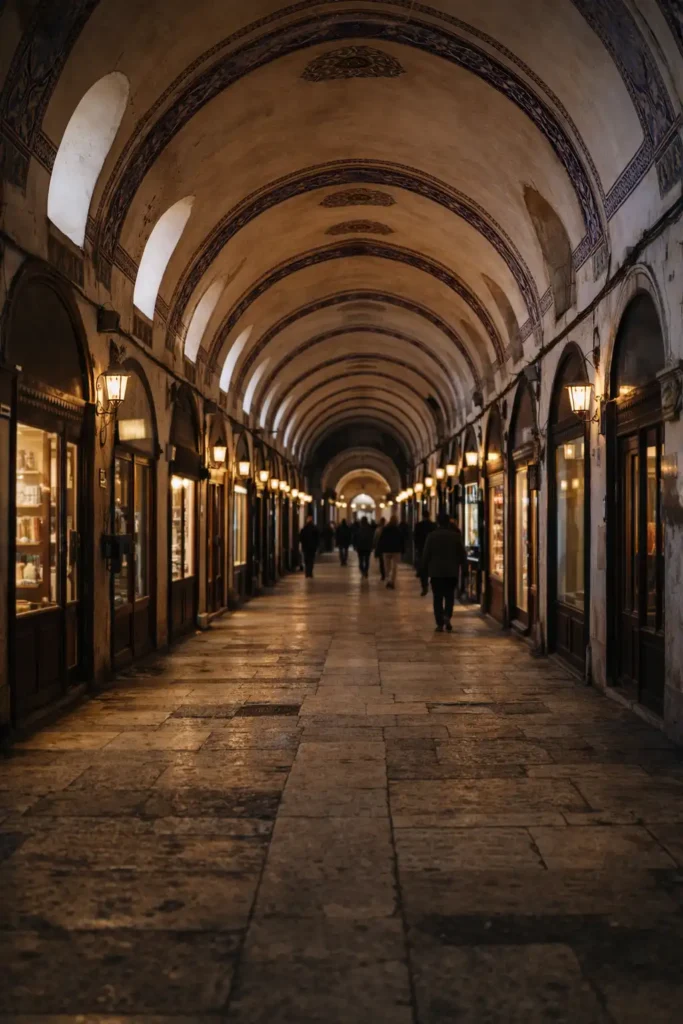


Learning how to navigate a new city alone is less about directions and more about understanding how the place moves and feels. Your first hours in a new city can feel intense: new sounds, fast pace, unfamiliar signs. But within a day or two, everything begins to settle. Navigation is not about memorizing streets; it is about reading the rhythm of a place.
Use Intentional Exploration
Offline maps help, but your biggest insights come from walking intentionally. Some cities move fast, others slow. Some follow exact queues, others rely on organized chaos. Watching how locals cross streets or order food teaches you how to blend in.
I have a personal ritual: I walk the same street twice, first to observe, second to understand. It is my way of letting a city introduce itself.
7. Choose Accommodation for Comfort, Safety & Social Ease
Stay Somewhere With Community
Where you stay influences how safe, connected, and comfortable you feel. Hostels with common areas, small guesthouses, and boutique hotels with attentive staff create a sense of community.
Choose Neighborhoods That Work for Solo Travelers
You do not need to be the most outgoing person. Conversations form naturally when the environment is right. Choose neighborhoods with cafés, bakeries, markets, and public transport nearby. Convenience becomes a form of safety.
8. Solo Eating & Exploring Without Pressure
Start With Low Pressure Environments
Eating alone is one of the biggest mental hurdles for beginners. Many first time travelers wonder how to eat alone while traveling, but the truth is simple: nobody is watching you. People are busy living their own lives. Once you accept that, solo dining becomes peaceful.
Transform the Moment Into Something Cinematic
Start with cafés, markets, or street food spots. Sit facing the street and watch the city move. Bring a journal if it helps. I often write down small details a smell, a sound, a laugh. These moments become memory anchors.
9. Build Connections Naturally on Your First Solo Trip
Create Opportunities, Do Not Chase Them
Solo travel does not equal isolation. Free walking tours, hostel dinners, group hikes, and cooking classes create effortless conversation. You just need to show up.
Let Your Instincts Guide Your Boundaries
Some of the most memorable people I have met were strangers for just a few hours. And sometimes, the most important choice is saying no. Solo travel teaches you to read people and set boundaries skills that stay with you for life.
10. Avoid the Most Common Beginner Mistakes & Real-World Advice
Do Not Overplan or Overshare
Most solo travel mistakes are not dramatic; they are small choices that accumulate over time. Overplanning kills spontaneity. Oversharing increases risk. Carrying too much cash creates anxiety.
Let Go of Perfection
Some days feel powerful; others feel disconnected. Growth happens in the moments you do not post online. One of my early mistakes was trying to perform my trip – until I realized that slow mornings and quiet walks often became the memories I valued most.
A Reality Check for First-Time Solo Travelers → INFO BOX
Before your first solo trip, it helps to pause and be honest with yourself. Not everything will feel smooth or empowering right away. That’s okay.
Keep these three things in mind:
Real Talk. My First Solo Trip Reality Check

Don’t get me wrong—Antalya is one of the most beautiful and safest places I’ve ever seen, especially when the sun hits the turquoise waters. But even in paradise, being an unprepared 18 year old on his first solo trip can turn a dream into a chaotic lesson.
Those early solo travel mistakes completely reshaped my mindset. I learned that preparation creates freedom, not restriction. Today, I double check arrival logistics, carry backup power, and plan transportation ahead—but more importantly, I trust myself more. Once you survive uncomfortable moments alone, navigating new cities and unexpected challenges becomes far less intimidating.
The hardest moment of my first solo trip happened late at night during a spontaneous road trip. I arrived exhausted, hungry, and suddenly felt unsafe in an unfamiliar environment. That moment taught me a powerful lesson: solo travel isn’t always postcards and sunsets. Sometimes, it’s facing fear, uncertainty, and learning how to stay calm and aware on your own.
Yes, and it became one of my biggest solo travel lessons. One night, I underestimated public transportation schedules and ended up stranded with low phone battery and no clear way back. That experience taught me why preparation matters when traveling alone for the first time—checking transport options, carrying a power bank, and planning return routes can make all the difference for solo travel safety.
Last Word – Your First Solo Trip Will Change You
Your first solo trip is not about proving anything. It is about listening to the part of you that wants to see more, feel more, and understand more. Traveling alone teaches resilience, awareness, and independence in a way nothing else can. You will have moments of pride, discomfort, and pure freedom. I have stood in foreign streets where no one knew my name, holding a map, unsure of my next step and those were the moments that shaped me the most. The world becomes bigger the moment you see it alone. And so do you.
Before you go
If you’re standing on the edge of your first solo trip right now, I’m curious — where do you want to go first?
Share your destination in the comments. Sometimes, saying it out loud is the first step.

Written by Yigit Oz
Yigit Ozdemiroglu is the founder and editor of Digital Adventourist, a data-driven travel platform blending SEO strategy, WordPress optimization, and real-world field research to create smart, transparent, and budget-friendly travel guides for independent travelers.
View more articles by Yigit


